Ways to Know When a Relationship Isn’t Right for You (Emotional & Psychological Signs)
Relationships should make your life better, not worse.
But a lot of people continue in relationships that slowly harm their health, confidence, emotional stability, and even their physical health. Sometimes the indicators are quite clear and loud. Sometimes they’re not so obvious, like feeling anxious all the time, like you’re getting smaller, or that you’re always tired but can’t explain why.
Let’s get deeper on the emotional, psychological, and behavioral signs that will help you answer the questions, “Is this relationship right for me?” or “How do I know when it’s time to leave?”
This isn’t about short-term problems. Stress is a part of any relationship. This is about patterns that show long-term incompatibility, emotional misalignment, or deeper problems.
Let’s take apart the signs one by one.
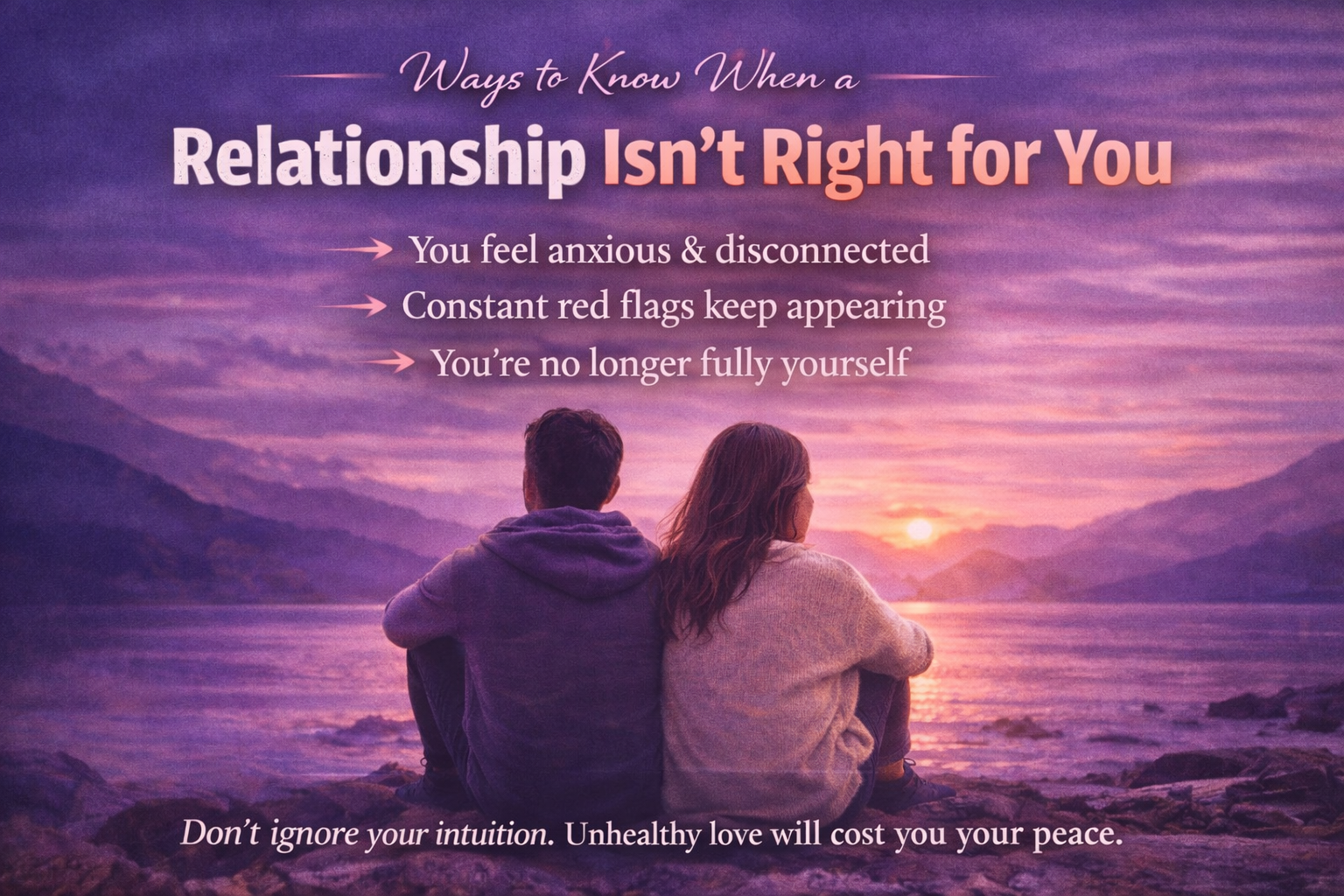
Quick Answer: You know a relationship isn’t appropriate for you if it always hurts your feelings, goes against your principles, makes you anxious or doubt yourself all the time, and makes you give up who you really are to keep it going.
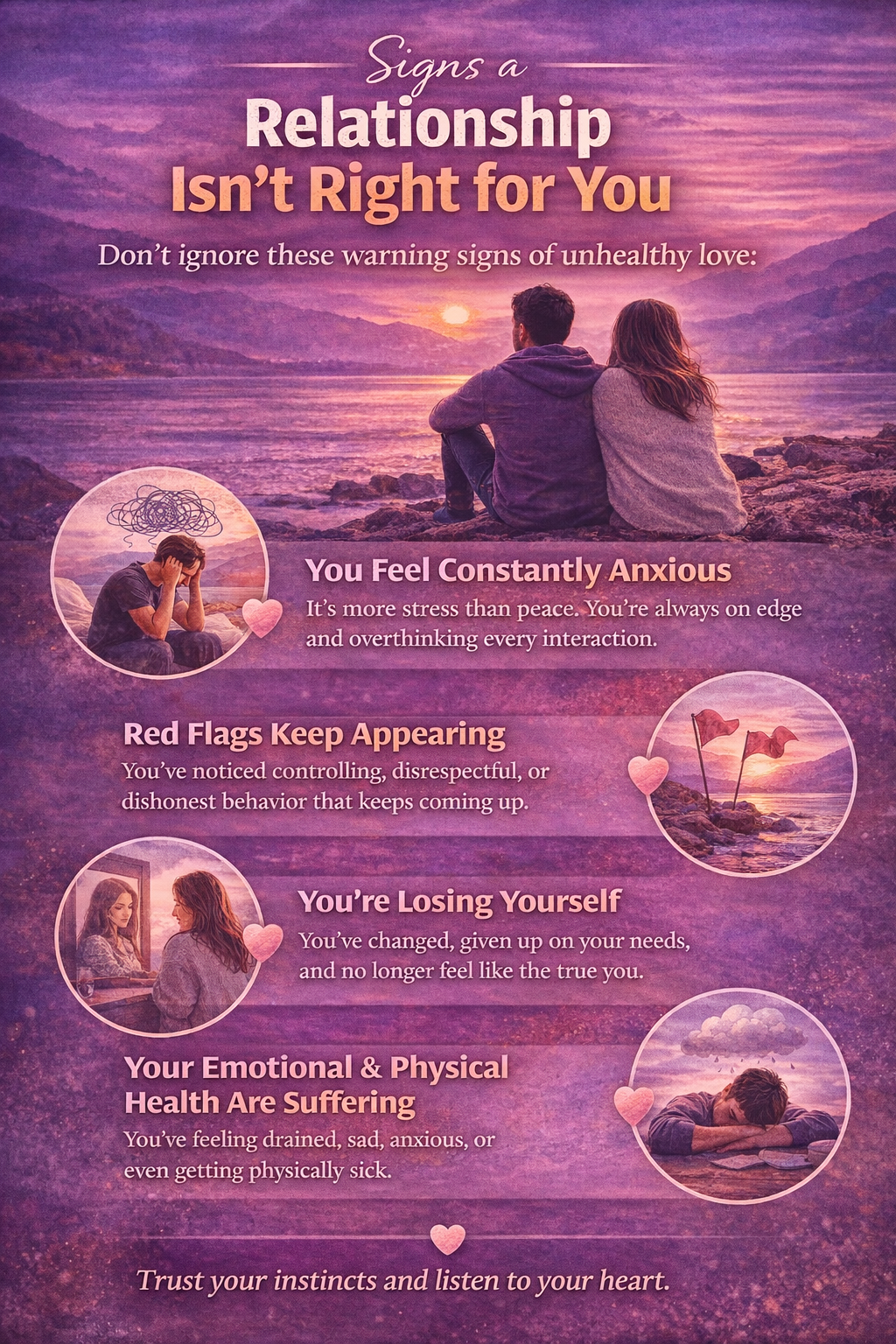
1. You Feel More Anxious Than Secure
A good connection makes you feel safe emotionally. You can still quarrel or disagree, but deep down, you feel stable.
Your nervous system is the first thing to inform you when a relationship isn’t right.
You might see:
- Always thinking too much.
- Worry about saying the incorrect thing.
- Anxiously waiting for answers.
- Their actions caused mood swings.
- You feel like you have a knot in your gut before you see them.
- This isn’t butterflies. It’s being overly aware.
Long-term stress in relationships has been related to higher levels of cortisol, trouble sleeping, a weaker immune system, and even problems with digestion.
Your body is telling you that your relationship isn’t right for you if it feels like a source of stress instead of stability.
2. You Keep Justifying Red Flags
You often become the relationship’s lawyer when it isn’t appropriate.
You say to yourself:
“They didn’t mean it.”
“All they are is stressed.”
“It’s my fault for being sensitive.”
“It will get better when…”
The trend is more worrying than the behavior itself.
Red flags aren’t only for serious situations like abuse. They are:
- Not caring.
- Not being responsible.
- Not being emotionally available.
- Manipulation that is not obvious.
- Tendencies to control that look like care.
- Not showing respect during a fight.
If you keep making excuses for your actions to friends or leaving out important details, it could be because you already know something isn’t right.
Denial often protects attachment.
3. You Don’t Feel Like Yourself Anymore
One of the strongest signals that a relationship isn’t working is when you lose your sense of self.
Be honest with yourself:
- Have you stopped doing things you enjoy?
- Do you think about what you say?
- Have your buddies stopped being friends with you?
- Do you feel smaller while you’re around them?
Love that is good for you makes you bigger. It doesn’t make you smaller.
You slowly lose touch with who you really are when you have to constantly censor yourself in a relationship. This makes people angry, lose faith in themselves, and get emotionally drained over time.
This is called self-abandonment in psychology, which is putting attachment above authenticity.
If you’re giving up who you are to keep someone else, the relationship may not last.
4. Your Core Values Don’t Align
Chemistry doesn’t mean being compatible.
You can feel very drawn to someone but still not be on the same page with them.
Think on what matters in the long run:
- Expectations for lifestyle
- Health priorities
- Money habits
- Goals for the family
- Ways to show your feelings
- Opinions on commitment
- A mentality for personal growth
Value mismatch often lies under passion in the beginning. But for long-term partnerships to work, everyone needs to be on the same page.
For instance, if you value wellbeing, emotional growth, and open communication, but your partner avoids self-reflection and doesn’t care about mental health, things will get worse with time.
Having the same ideals makes people feel good about each other. Without them, love turns into a deal.
5. Communication Feels Unsafe or Futile
In healthy partnerships, people can differ without being afraid.
If saying what you think leads to:
- Mockery
- Anger
- Gaslighting
- Blocking
- Not talking to someone
- Shifting blame
- Then there is no emotional safety.
When fighting never leads to growth, simply more fighting, that’s a big clue that a partnership isn’t appropriate.
You shouldn’t feel like you’re being punished.
If you think all the time:
- “It’s not worth talking about.”
- “They’ll just turn it.”
- “I won’t say anything to avoid drama.”
Then you aren’t working together. You’re in survival mode for your emotions.
6. You Feel Lonely Even When You’re Together
Being lonely in a relationship is one of the most difficult ways to feel disconnected.
You could sit next to them and still not be seen.
Emotional closeness includes:
- Being understood
- Feeling like you matter
- Being open about your weaknesses
- Empathy for each other
- Joy shared
You could feel alone even when you’re not if your talks stay surface-level or you don’t feel supported in your emotional world.
This happens a lot in partnerships if one person isn’t emotionally available.
And it chips away at well-being day by day.
7. The Relationship Is Draining More Than Nourishing
Every connection takes work.
But think about it:
Do you feel energized or drained when you think about this relationship?
Signs that you are emotionally drained:
- Always trying to solve problems.
- Being the grown-up all the time.
- Doing emotional work all by yourself.
- You feel more like a therapist than a partner.
- Tired after talking to people.
- A healthy relationship should feel like a group.
If you feel that you’re the only one holding things together, the imbalance will finally break you.
8. You Stay Because of Fear, Not Love
Be brutally honest here.
Are you staying because:
- You fear being alone?
- You worry about starting over?
- You’ve invested too much time?
- You don’t want to disappoint family?
- You’re financially dependent?
- You’re afraid no one else will love you?
Fear-based attachment is not love.
It’s survival.
Long-term, staying for comfort creates deeper regret than leaving for growth.
The Hard Truth: Love Alone Is Not Enough
Many people stay because they genuinely love their partner.
But love without:
- Respect
- Safety
- Shared values
- Emotional maturity
- Effort
- Reciprocity
Will eventually collapse under its own weight.
Compatibility sustains love. Chemistry ignites it.
When It’s a Rough Patch vs. When It’s Not Right
Rough Patch:
- Both people acknowledge the issue.
- Both want to improve.
- There’s accountability.
- You still feel safe.
- Problems are situational, not character-based.
Not Right:
- Patterns repeat without change.
- Your core needs are dismissed.
- You feel chronically anxious.
- You’re compromising fundamental values.
- You feel alone in fixing things.
Emotional Questions to Ask Yourself
Instead of asking “Do I love them?” ask:
- Do I feel emotionally safe?
- Can I fully be myself?
- Are my needs respected?
- Do we share a vision?
- Do I feel stronger or weaker in this relationship?
- If nothing changed, would I stay long-term?
If the honest answers scare you, don’t ignore them.
Why It’s So Hard to Leave
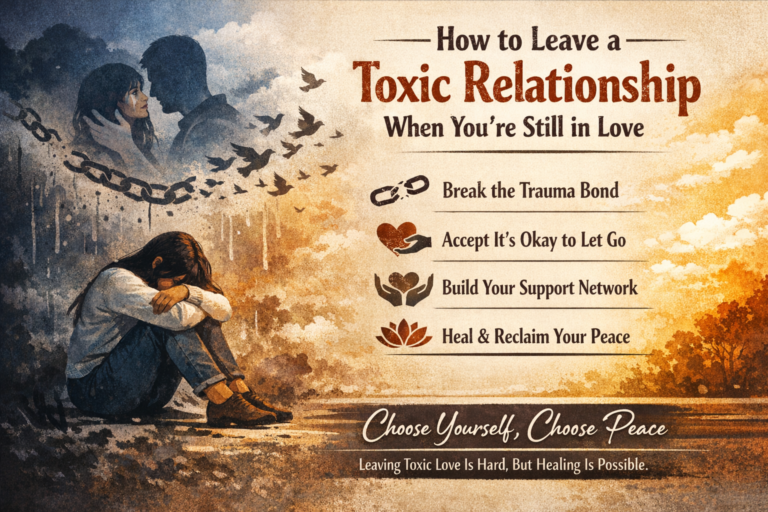
Leaving a relationship that isn’t right can feel harder than staying.
Because you’re not just leaving a person.
You’re leaving:
- Future plans.
- Shared memories.
- A version of yourself.
- Comfort.
- Familiar routines.
- Hope for change.
Attachment bonds are powerful, especially when mixed with intermittent reinforcement (periods of affection followed by withdrawal).
That emotional rollercoaster strengthens dependency.
Understanding this helps reduce self-blame.
The Cost of Staying in the Wrong Relationship
Staying too long can lead to:
- Lowered self-worth.
- Emotional numbness.
- Resentment.
- Chronic stress.
- Lost time.
- Missed aligned partners.
- Burnout.
- Identity confusion.
The longer you ignore misalignment, the harder it becomes to untangle.
When should you walk away from a relationship?
You should consider walking away when:
- Emotional safety is missing.
- Communication repeatedly fails.
- Effort is one-sided.
- Your health is suffering.
- Your core needs are consistently unmet.